Discover
how PW10 microplate washers streamline laboratory workflows, enhancing accuracy
and overall efficiency.
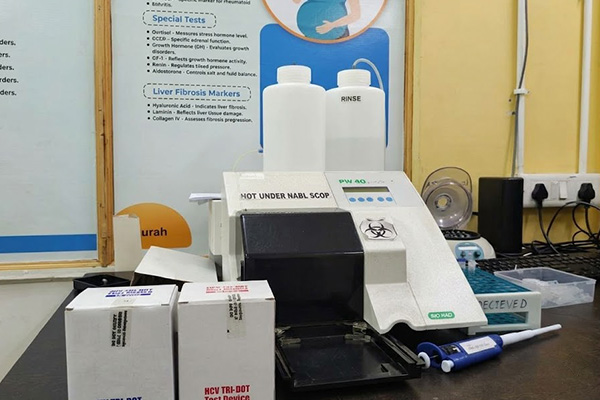
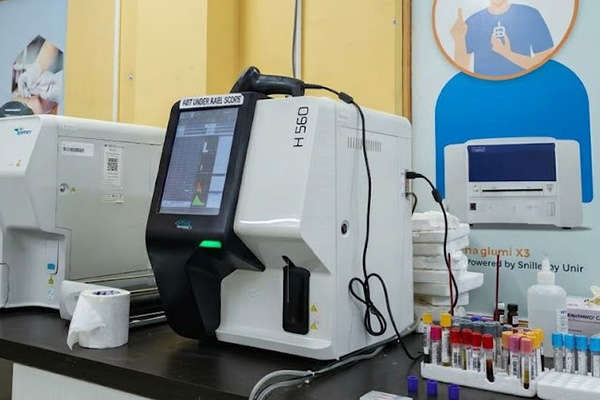
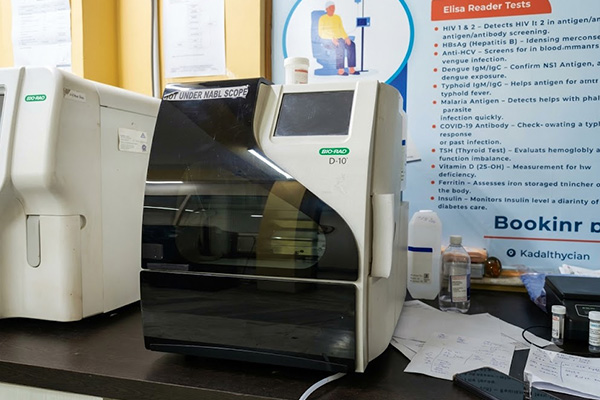
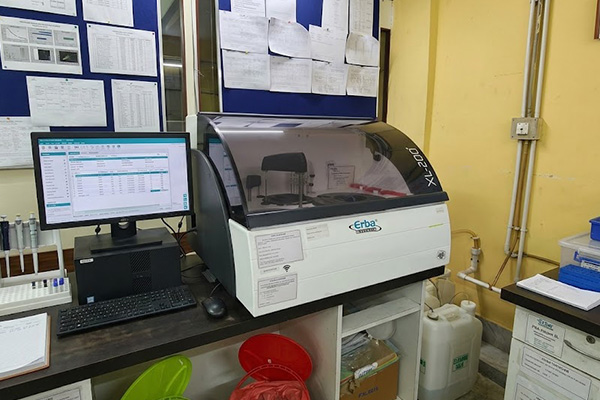
In modern clinical diagnostics, precision and repeatability are essential. Immunoassays like ELISA (Enzyme-Linked Immunosorbent Assay) rely heavily on meticulous washing steps to deliver dependable results. The PW10 microplate washer is a vital automated instrument designed to handle this critical process, ensuring that laboratory testing remains fast, accurate, and reproducible.
What Is a PW10 Microplate Washer?
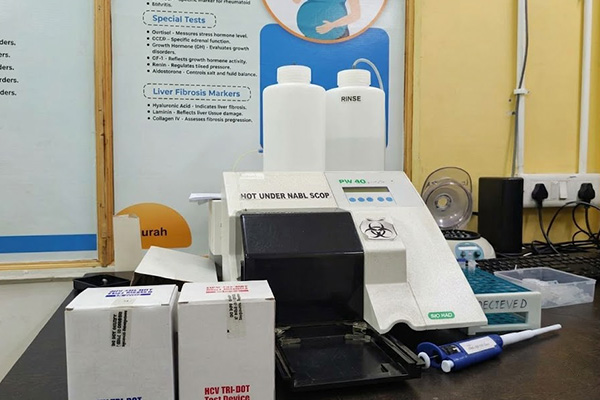
The PW10 is a specialized laboratory instrument engineered to aspirate and dispense wash solutions into microplate wells. During immunoassays, unbound antibodies, antigens, or reagents must be thoroughly rinsed away without disturbing target complexes bound to the plate. The PW10 automates this multi-step washing process, eliminating human error and ensuring uniform washing across every sample.
Key Features of the System
Why Automated Washing Matters for Diagnostics
Manual microplate washing introduces variables like inconsistent fluid pressure, timing delays, and unequal residual volumes. These small discrepancies can lead to false positives, elevated background noise, or reduced sensitivity in critical diagnostic tests—including thyroid panels, autoimmune screens, and infectious disease markers.
The PW10 minimizes residual fluid volume in each well following aspiration. By maintaining identical washing conditions across all 96 wells, the instrument ensures optimal signal-to-noise ratios, delivering reliable quantitative and qualitative test reports every time.
Core Benefits for Clinical Laboratories
Integrating
an automated washer like the PW10 into a diagnostic workflow safeguards testing
accuracy while boosting overall lab productivity. By delivering consistent,
error-free plate processing, this essential tool helps healthcare providers
deliver prompt, trustworthy diagnostic results to patients and clinicians.