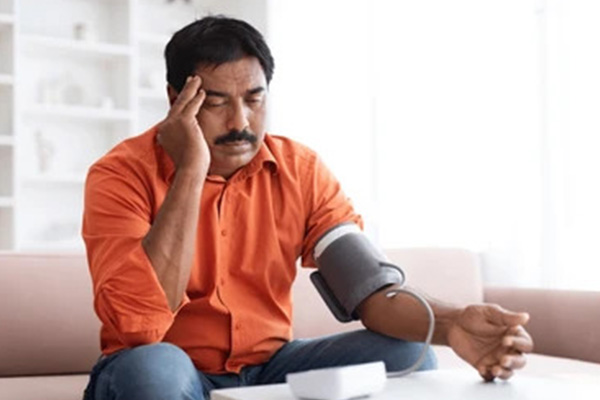
Low blood
pressure, or hypotension, occurs when blood pressure drops significantly below
the normal range, reducing blood flow to the brain and vital organs. While some
individuals naturally have lower readings without symptoms, a sudden drop can
cause dizziness, lightheadedness, confusion, fainting, or blurred vision.
Knowing what immediate steps to take can prevent falls and restore stable
circulation.
Immediate Steps to Take During an Episode
- Sit or Lie Down Immediately: The moment you feel dizzy or
lightheaded, stop what you are doing and find a safe place to sit or lie
down. Elevating your legs above the level of your heart can help gravity
pull blood back toward your core and brain, easing symptoms quickly.
- Stay Hydrated with Water: Dehydration is one of the most
common triggers for low blood pressure. Drinking a large glass of water
can quickly increase your blood volume and help stabilize your pressure.
- Consume a Quick Source of Salt: If your blood pressure drops
due to mild dehydration or heat, consuming a small amount of salt can
help. A pinch of salt or a salty snack helps the body retain water and
raise blood pressure. However, consult a doctor if you have underlying
heart or kidney conditions.
- Avoid Sudden Postural Changes: When getting up from a bed or
chair, take your time. Move slowly from a lying position to a sitting
position, and pause for a minute before standing up completely to prevent
orthostatic hypotension.
- Loosen Tight Clothing: If you are wearing restrictive
garments, ties, or tight collars, loosen them to improve blood circulation
and breathing.
Long-Term
Management and Prevention
Managing
chronic low blood pressure involves consistent lifestyle adjustments to
maintain stable readings and protect your vital organs:
- Maintain Adequate Hydration: Drink plenty of fluids
throughout the day, especially during hot weather or when exercising.
- Eat Small, Frequent Meals: Large meals can cause blood
pressure to drop sharply as blood rushes to the digestive tract. Eating
smaller, more frequent meals can prevent this effect.
- Incorporate Moderate Salt
Intake: Under
medical guidance, slightly increasing your sodium intake can help manage
chronic low blood pressure.
- Wear Compression Stockings: These elastic garments help
improve blood flow from your lower limbs back toward your heart,
preventing blood from pooling in your legs.
When to
Seek Emergency Medical Attention
While mild
episodes can often be resolved with rest and hydration, low blood pressure can
sometimes signal an underlying medical emergency. Seek immediate medical care
if you experience:
- Fainting or loss of
consciousness
- Chest pain or shortness of
breath
- Confusion or cold, clammy, pale
skin
- A high fever or severe allergic
reaction symptoms