Understand
how your body signals dangerously dropping glucose levels before emergencies
occur
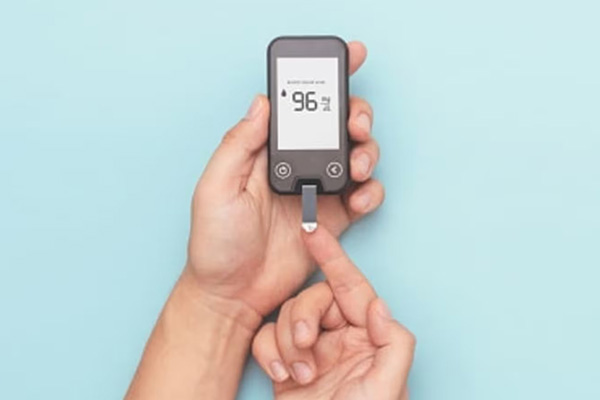
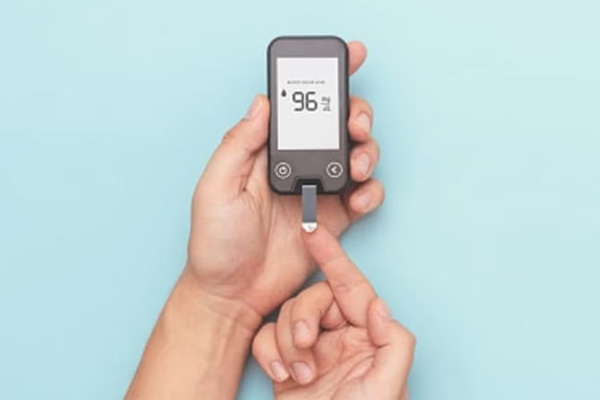
Low blood sugar, medically known as hypoglycemia, happens
when the level of glucose in your bloodstream drops below normal—typically
under 70 milligrams per deciliter (mg/dL). While it most commonly
affects people living with diabetes who take insulin or certain medications,
anyone can experience a sudden dip due to skipped meals, intense exercise, or
underlying health conditions.
Because glucose is the primary fuel for your brain and body, recognizing the early warning signs allows you to act quickly before symptoms become severe.
Early Warning Symptoms
When blood sugar begins to fall, your body releases stress hormones like adrenaline to trigger an alarm. These early symptoms often appear suddenly and can vary from person to person:
Severe Symptoms Requiring Immediate Help
If mild hypoglycemia goes untreated, your brain is deprived of the glucose it needs to function properly. This leads to more dangerous neurological symptoms, including:
Note: Some individuals who experience frequent episodes develop hypoglycemia unawareness, meaning they no longer feel early adrenaline symptoms before severe confusion sets in.
How to
Respond Quickly: The 15-15 Rule
If you suspect your blood sugar is low and you are awake and able to swallow safely, follow the standard 15-15 Rule:
(Seek emergency medical care immediately if someone with low blood sugar is unconscious, having a seizure, or unable to swallow safely.)
Staying
Prepared
Prevention starts with consistency. Eating balanced meals at
regular intervals, monitoring blood glucose before and after workouts, and
carrying fast-acting glucose tablets in your bag or car can prevent minor dips
from turning into medical emergencies. Always speak with your healthcare
provider to adjust medications or meal plans if you notice frequent episodes.