Discover
how automated ESR analyzers deliver fast, precise blood results for modern
laboratories.
In modern
healthcare diagnostics, speed and precision are paramount. Among the essential
routine tests performed in pathology laboratories, the Erythrocyte
Sedimentation Rate (ESR) remains a critical indicator of systemic inflammation,
infection, and autoimmune diseases. While traditional manual testing methods
like the Westergren technique served healthcare for decades, they were often
time-consuming and susceptible to human error. The introduction of the ESL
30 automated ESR machine has revolutionized this process, setting a new
benchmark for diagnostic efficiency.
What Is
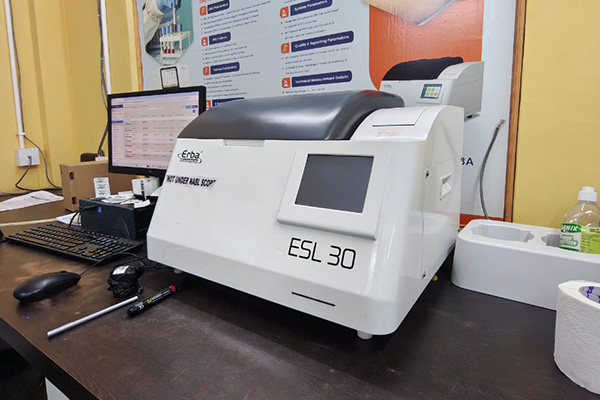
the ESL 30 Machine?
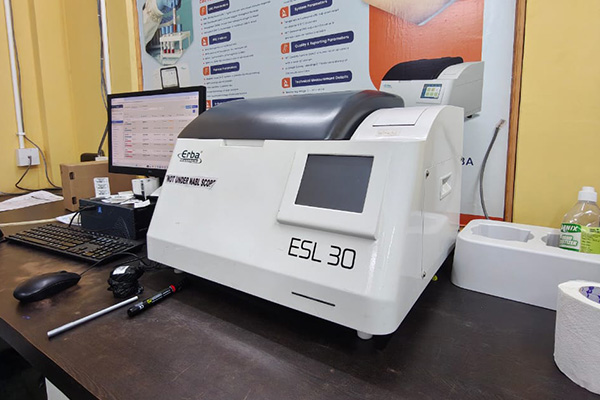
The ESL 30
is an advanced, automated ESR analyzer designed to measure the rate at which
red blood cells settle in a blood sample over a specified duration. Utilizing
modern infrared optical sensor technology, the ESL 30 constantly monitors the
settling process with high precision. This eliminates manual timing errors and
visual reading biases, ensuring reliable test results every time.
Key
Advantages of the ESL 30 Analyzer
Upgrading to
an ESL 30 machine offers significant operational and diagnostic benefits for
healthcare centers and laboratories:
Clinical
Impact on Patient Care
Accurate ESR
measurements provided by the ESL 30 play a pivotal role in detecting and
monitoring a wide range of medical conditions, including:
The ESL 30
machine represents a crucial leap forward in clinical pathology. By combining
automation, rapid turnaround times, and uncompromised accuracy, it empowers
healthcare providers to make faster, better-informed clinical decisions.