Simple
daily habits, smart food choices, and regular monitoring help reverse rising
blood sugar.
Prediabetes is a warning sign that blood sugar levels are higher than normal, yet not high enough to be classified as type 2 diabetes. Many people experience subtle clues—such as afternoon fatigue, increased thirst, frequent urination, or hunger soon after meals—while others have no obvious signs at all. Catching prediabetes early gives you a strong opportunity to restore healthier glucose levels and prevent type 2 diabetes.
Recognizing
Subtle Prediabetes Clues
Because prediabetes often develops gradually, its symptoms are easy to dismiss as everyday stress or busy schedules. Pay attention to patterns like feeling unusually tired after eating carbohydrate-heavy meals, needing water more often than usual, or noticing darkened skin patches around the neck or underarms. A simple blood test ordered by a doctor—such as a fasting glucose or HbA1c test—confirms where your numbers stand.
Everyday
Ways to Manage Blood Sugar
Managing prediabetes does not require extreme crash diets. Small, consistent changes improve how your body responds to insulin and keep energy steady throughout the day.
Sleep,
Stress, and Routine Checkups
Poor sleep and chronic stress raise stress hormones like cortisol, which can push blood sugar higher and trigger cravings for sugary or refined foods. Aim for seven to eight hours of restful sleep each night and build simple relaxation habits, such as deep breathing or a calm evening routine.
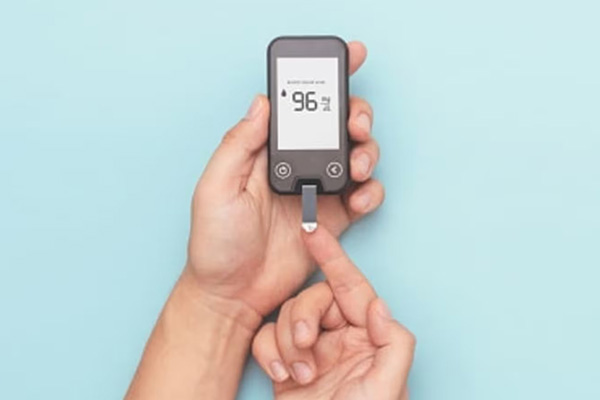
If you have a family history of diabetes, carry extra weight around the midsection, or notice lingering symptoms, schedule regular checkups with a healthcare provider. Tracking your blood sugar trends alongside a doctor or qualified dietitian ensures your plan stays safe, realistic, and tailored to your needs.
With steady
daily habits and timely guidance, prediabetes can often be turned around before
it progresses further.