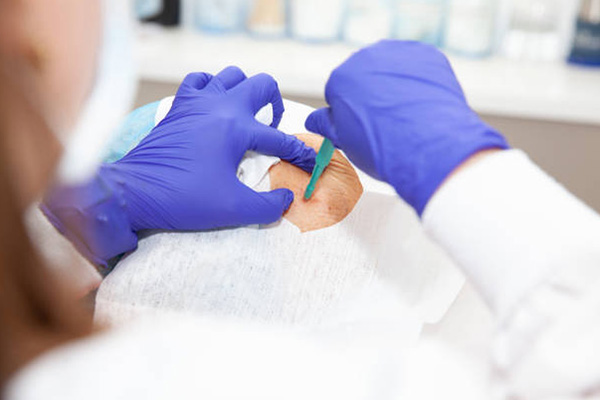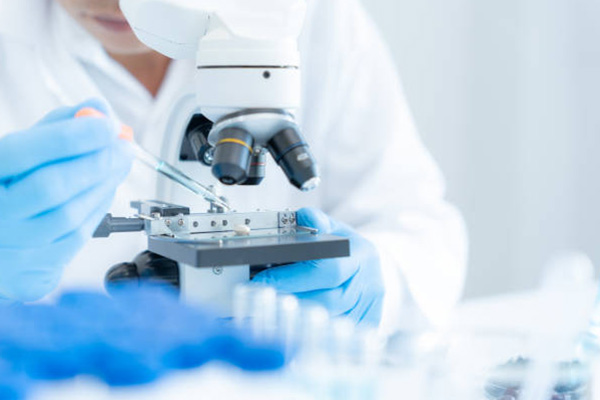
Advanced diagnostic testing empowers modern medicine to deliver precise and personalized patient care.
Medical science relies heavily on objective clinical data to make critical healthcare decisions. Behind every effective treatment plan, accurately prescribed medication, and successful surgical intervention lies the essential work of biochemistry and pathology laboratories. Often referred to as the backbone of modern diagnostics, these specialized labs analyze blood, tissue, and bodily fluids to reveal what is occurring at a cellular and molecular level. As healthcare shifts from reactive treatment to proactive prevention, understanding the vital roles of clinical biochemistry and pathology is more important than ever.
The Role
of Clinical Biochemistry
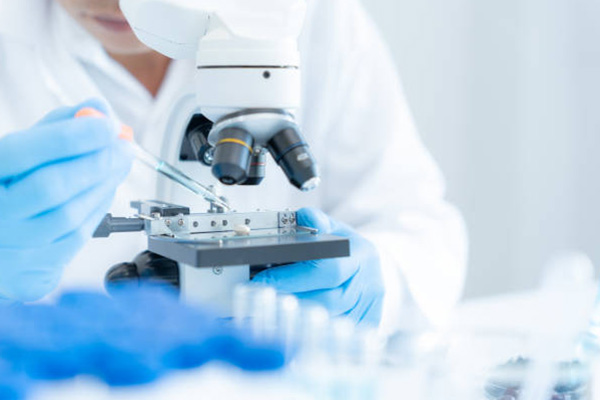
Clinical biochemistry focuses on the chemical processes and substances within the human body. By measuring concentrations of enzymes, hormones, proteins, electrolytes, and metabolic waste products in blood and urine, biochemistry labs provide a comprehensive picture of organ function and metabolic balance.
Common panels processed in biochemistry departments include
Through
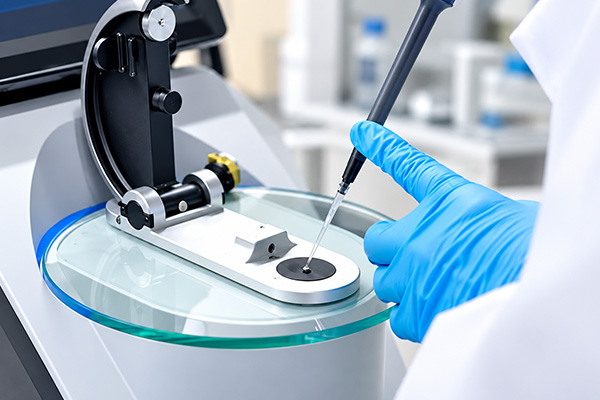
automated high-throughput analyzers, biochemistry departments deliver rapid,
quantitative data that help physicians diagnose systemic diseases early, adjust
drug dosages accurately, and track chronic conditions over extended periods.
Pathology:
Uncovering the Root Causes
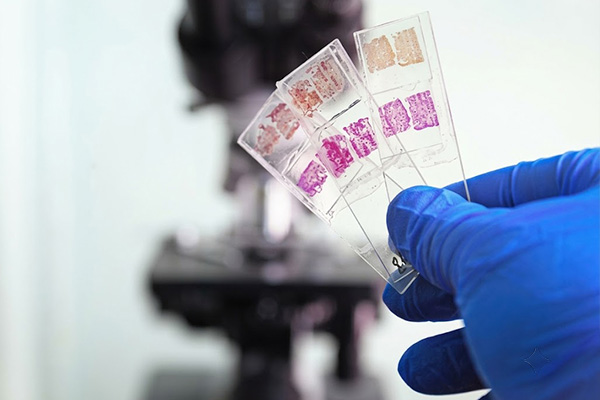
While biochemistry analyzes circulating chemical markers, pathology examines structural changes in cells and tissues to identify specific diseases. Pathologists serve as diagnostic detectives, investigating tissue samples (biopsies), cell scrapings (cytology), and blood smears to confirm or rule out conditions like cancer, autoimmune disorders, and complex infections.
Key sub-specialties within pathology include
Definitive
diagnoses—such as
confirming whether a tumor is benign or malignant—almost always require
histopathological verification. Pathologists provide the definitive answers
that allow oncologists, surgeons, and internists to build tailored therapeutic
strategies.
The Shift
Toward Preventive Healthcare
Traditionally, patients visited pathology labs only after experiencing noticeable symptoms. Today, the integration of biochemistry and pathology into routine wellness checkups has revolutionized preventive medicine.
Many high-risk conditions—such as early-stage non-alcoholic fatty liver disease, subclinical hypothyroidism, prediabetes, and silent chronic kidney disease—develop without obvious physical symptoms. Routine screening panels detect subtle biochemical abnormalities long before irreversible structural damage occurs. Early detection drastically lowers treatment costs, avoids invasive surgical procedures, and yields significantly better long-term survival rates
Quality
Control and Technology Integration
Modern diagnostic laboratories adhere to strict international quality standards, such as ISO 15189 and NABL accreditations, to guarantee maximum precision. Advanced Laboratory Information Management Systems (LIMS) now track samples using unique barcode systems, minimizing human error from specimen collection to digital report delivery.
Furthermore, the rise of artificial intelligence and automated digital pathology is accelerating turnaround times and enhancing diagnostic accuracy. By combining state-of-the-art analytical equipment with expert clinical oversight, modern biochemistry and pathology labs continue to elevate patient care, giving individuals the precise medical clarity they need to live healthier lives.