Accurate
tissue analysis empowers doctors to diagnose conditions and guide effective
care.
When medical
imaging or routine physical exams detect an unusual spot, mass, or lesion,
doctors often need a definitive answer to determine what is happening at a
cellular level. A biopsy is a cornerstone of modern diagnostic medicine. It
provides crucial clarity when non-invasive tests can only offer hints, ensuring
that treatment plans are tailored to your specific health needs.
What Is a
Biopsy Diagnostic?
A biopsy is
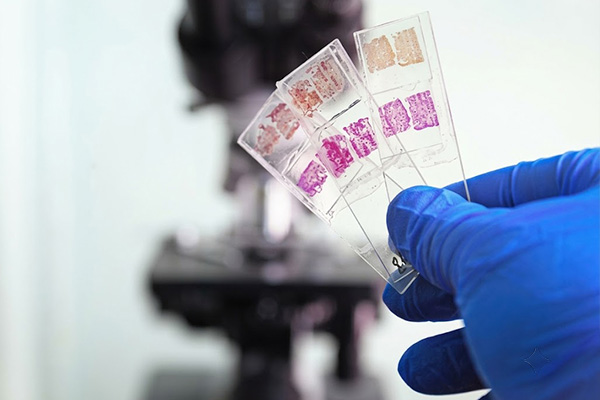
a diagnostic procedure that involves removing a small sample of tissue, cells,
or fluid from the body so it can be examined under a microscope by a
pathologist. While many people associate biopsies strictly with cancer
detection, they are equally vital for identifying a wide range of medical
conditions, including autoimmune disorders, chronic inflammation, infectious
diseases, and benign tumors.
Common
Types of Biopsy Procedures
Depending on
the location and nature of the tissue in question, doctors utilize several
different techniques:
Why
Biopsy Diagnostics Are Essential
What to
Expect During and After
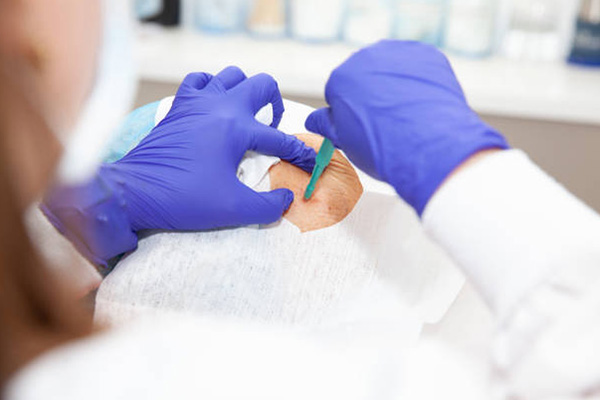
Most minor
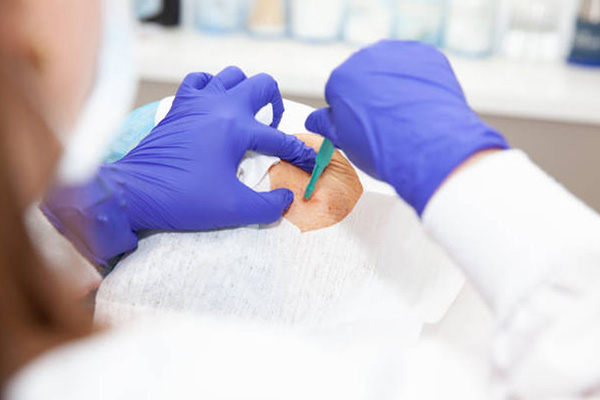
needle and skin biopsies are performed on an outpatient basis using local
anesthesia, ensuring minimal discomfort and rapid recovery. Surgical biopsies
may require light sedation or general anesthesia depending on the area being
evaluated.
Once collected, the sample is processed, stained, and examined by an expert pathologist. Results are typically available within a few days to a week, depending on whether specialized genetic or molecular testing is required. Once complete, your healthcare team will review the detailed pathology report with you to outline the best path forward.