Transforming
Diagnostic Accuracy Across the Nation Through Advanced Technology and Expanded
Rural Reach
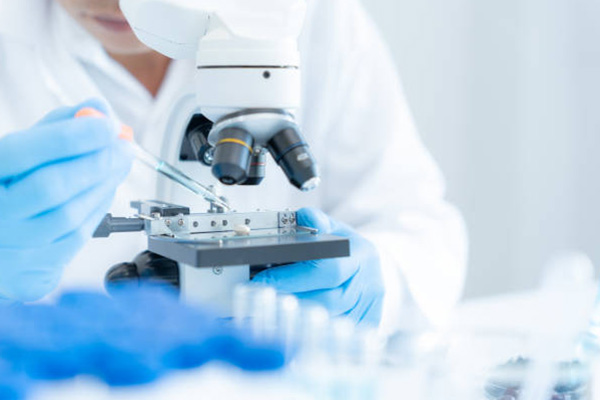
Histopathology—the microscopic examination of tissue to study manifestations of disease—serves as the gold standard in definitive medical diagnosis. In India’s complex healthcare ecosystem, tissue-level diagnostics form the ultimate bridge between medical suspicion and accurate clinical intervention.
The
Bedrock of Cancer Detection
Cancer cases in India require precise diagnostic profiling for successful treatment planning. Histopathology enables oncologists to distinguish benign tissue from malignant tumors, identifying cellular architecture, grading malignancies, and evaluating surgical resection margins with high precision.
Evolution
From Slides to Bytes
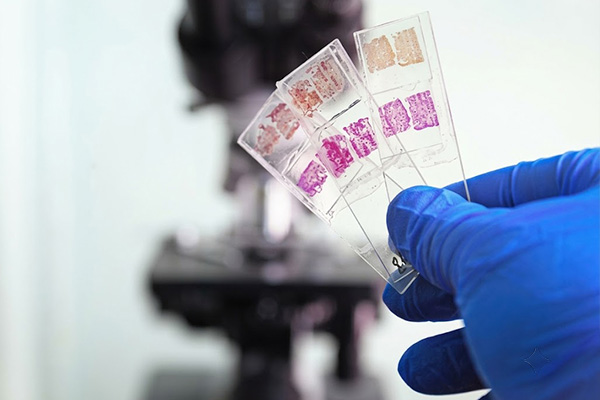
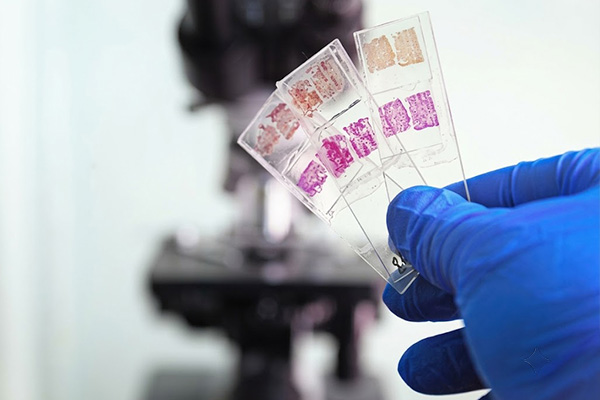
Traditionally, pathologists relied entirely on glass slides viewed under conventional light microscopes. Modern diagnostic centers across major urban hubs are rapidly transitioning to Whole Slide Imaging (WSI), digitizing glass slides into ultra-high-resolution files that can be archived, analyzed, and shared globally.
Expanding
Reach via Digital Networks
Digital pathology allows specialized histopathologists located in metro cities to examine tissue samples collected in remote regions. By digitizing slides, rural diagnostic centers can obtain second opinions from top tertiary experts within hours, eliminating geographic delays.
AI
Integration in Tissue Analysis
Artificial intelligence algorithms are becoming essential co-pilots for Indian pathologists. Machine learning models assist in pre-screening slides, identifying regions of interest, counting mitotic figures, and quantifying biomarker expression, which accelerates turnaround times and improves diagnostic consistency.
Addressing
the Specialist Scarcity Crisis
India faces a notable shortage of qualified surgical pathologists relative to its massive population. Leveraging digital workflows and AI assistance helps bridge this urban-rural healthcare divide, enabling available specialists to handle higher case volumes efficiently without sacrificing accuracy.
Growth in
Tier-2 and Tier-3
Major healthcare networks and diagnostic chains are aggressively establishing reference facilities in Tier-2 and Tier-3 cities. This expansion makes specialized biopsy analysis, immunohistochemistry (IHC), and molecular tissue profiling accessible to patients closer to their homes.
Precision
Medicine and Molecular Diagnostics
Histopathology in India has expanded beyond basic morphological analysis. Advanced laboratories routinely perform Next-Generation Sequencing (NGS) and IHC on tissue blocks to guide targeted therapies and immunotherapy, matching patients with personalized treatment regimens.
Standardization
and NABL Accreditation Metrics
To ensure uniform quality, diagnostic laboratories across the country are prioritizing accreditation by the National Accreditation Board for Testing and Calibration Laboratories (NABL). Strict quality control standards govern specimen handling, fixation, staining, and slide interpretation.
Cost
Barriers in Tissue Processing
High operational costs remain a hurdle for routine adoption in smaller clinics. Automated tissue processors, high-throughput digital scanners, and specialized antibody reagents require significant capital investment, driving up costs for patients in lower-income brackets.
Telepathology
Bridging Rural Diagnostic Gaps
Telepathology platforms empower rural hospitals to send digital tissue scans directly to academic medical centers for real-time consultation during active surgeries. Intraoperative frozen section consultations conducted remotely ensure surgical margins are clean before operations conclude.
Government
Initiatives Driving Equitable Healthcare
National programs aimed at early detection of non-communicable diseases (NCDs) emphasize population-based screening for oral, cervical, and breast cancers. These public health programs rely heavily on robust histopathological infrastructure to confirm positive screening results.
Path to
India's Diagnostic Future
The future
of Indian histopathology lies at the intersection of technological innovation,
policy support, and infrastructure development. As digital workflows mature and
local manufacturing lowers technology costs, tissue-level diagnostics will
become faster, more accessible, and remarkably precise across India.