High vs. Low LDL: A Simple Guide to Cholesterol Numbers
Oct 22, 2026 Diagnostic

High vs. Low LDL: A Simple Guide to Cholesterol Numbers

Understanding your lipid profile results helps you protect heart health and prevent disease.

Cholesterol plays a vital role in building cells and producing hormones. However, when you receive a blood test report, understanding the difference between "good" and "bad" cholesterol can feel confusing. Among the various markers on a lipid profile, LDL—Low-Density Lipoprotein—is one of the most crucial indicators of cardiovascular health.

Here is a simple, clear guide to high versus low LDL levels and what your lab test results really mean.

What Is LDL Cholesterol?

LDL stands for Low-Density Lipoprotein. It is frequently referred to as "bad" cholesterol because elevated levels lead to plaque accumulation in your arteries. Over time, this buildup causes arteries to narrow and harden, increasing the risk of chest pain, heart attacks, and strokes.

While your body needs a small amount of LDL to function properly, excess circulating LDL presents a direct threat to your arterial walls.

High vs. Low LDL: Key Differences

Understanding where your numbers fall helps you take proactive steps toward better health:

  • High LDL (Hypercholesterolemia): Having high LDL means there is excessive cholesterol circulating in your bloodstream. This significantly elevates your long-term risk of cardiovascular disease. High LDL often develops without noticeable symptoms, making routine lab screenings essential.
  • Optimal to Low LDL: Lower LDL levels generally indicate a reduced risk of arterial plaque formation and heart disease. However, extremely low LDL levels (though less common) can sometimes link to underlying medical conditions like severe malnutrition, hyperthyroidism, or liver dysfunction.

Target LDL Levels: A Quick Overview

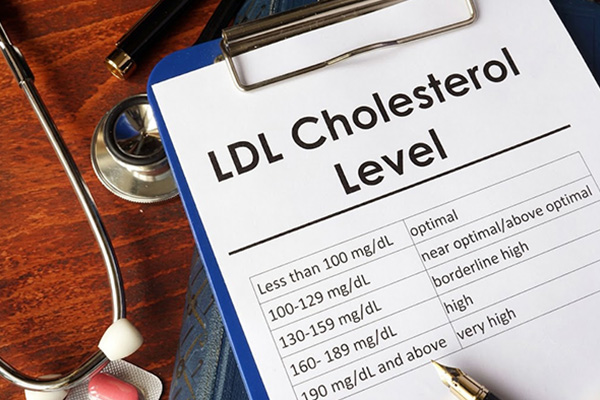
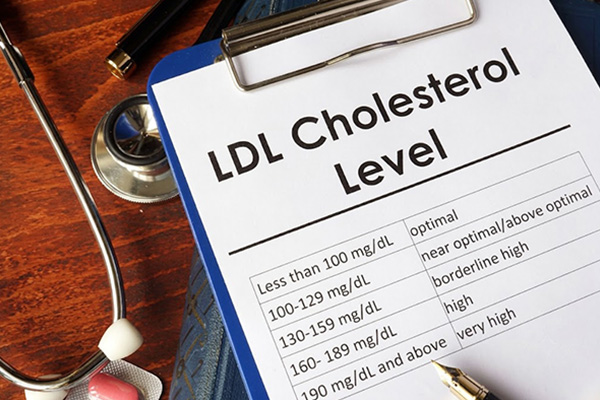
For most healthy adults, target ranges measured in milligrams per deciliter (mg/dL) are categorized as follows:

  • Optimal: Less than 100 mg/dL
  • Near Optimal: 100 – 129 mg/dL
  • Borderline High: 130 – 149 mg/dL
  • High: 160 – 189 mg/dL
  • Very High: 190 mg/dL and above

Note: Individuals with diabetes, existing heart conditions, or high blood pressure often need to aim for lower targets, typically below 70 mg/dL.

What Causes High LDL Levels?

Several factors influence your LDL numbers:

  • Unhealthy Diet: Consuming saturated fats, trans fats, and highly processed foods increases cholesterol production in the liver.
  • Lack of Physical Activity: A sedentary lifestyle lowers HDL ("good" cholesterol) and raises LDL.
  • Genetics: Familial hypercholesterolemia is a genetic condition that causes high LDL levels regardless of lifestyle.
  • Smoking & Alcohol: Tobacco use damages blood vessel walls, making plaque accumulation easier, while excessive alcohol raises lipid levels.

How to Manage Your LDL Numbers

  1. Eat a Heart-Healthy Diet: Focus on soluble fiber (oats, beans, lentils), healthy fats (olive oil, nuts, seeds), and lean proteins while cutting back on processed meats and fried items.
  1. Exercise Regularly: Aim for at least 150 minutes of moderate aerobic activity every week.
  1. Maintain a Healthy Weight: Losing excess body weight helps lower LDL and raise HDL.
  1. Get Tested Regularly: Since high cholesterol causes no symptoms, a Lipid Profile blood test is the only definitive way to know your numbers.

Book Your Lipid Profile Today

Monitoring your cholesterol numbers is a crucial step in maintaining long-term cardiovascular wellness. A routine blood test gives you and your doctor accurate, actionable insights.

Schedule a comprehensive Lipid Profile Test with our lab today for fast, accurate reports and convenient sample collection!